History


No.3 Rothesay Terrace

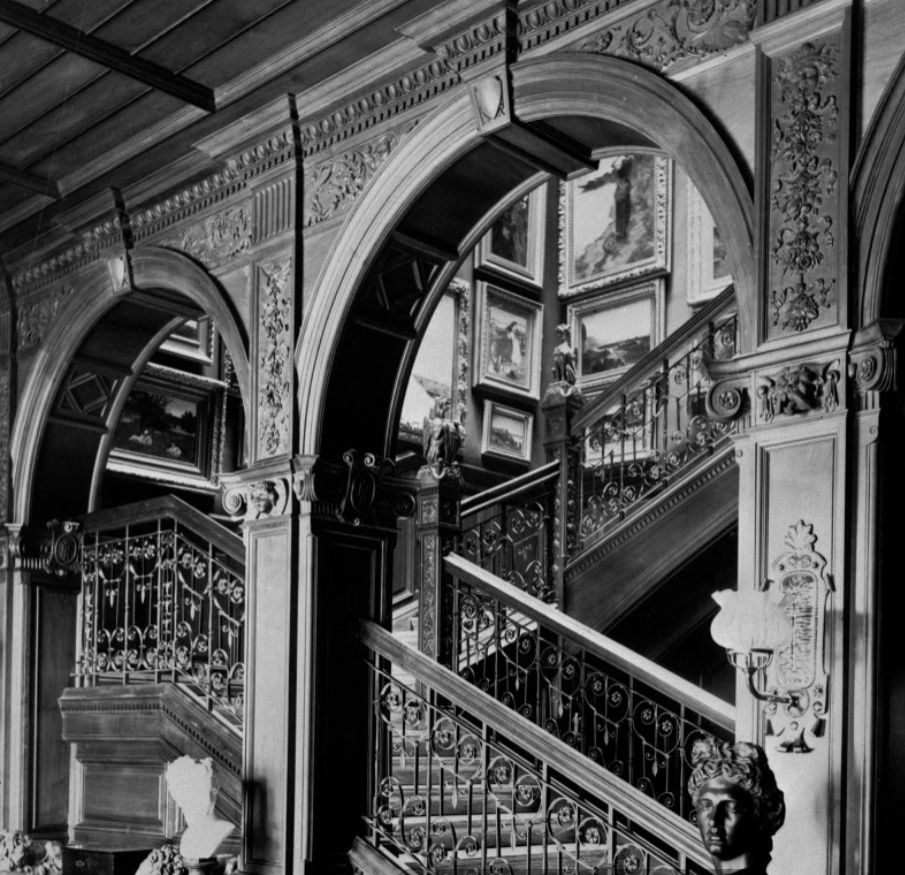
Number 3 Rothesay Terrace was built in 1876 as a family home by Mr John Ritchie Findlay, owner and editor of The Scotsman, and his wife, Susan (nee Leslie), who lived here with their ten children. In 1883, Findlay asked Sydney Mitchell to renovate the interior of the building to suit his tastes and position in society. Most of the features you see today date from this Late Victorian period. Mitchell created a lofty entrance hall with an intricately carved colonnade separating the stairs from the rest of the space, and designed public rooms suitable for the family to live, work, and entertain in.

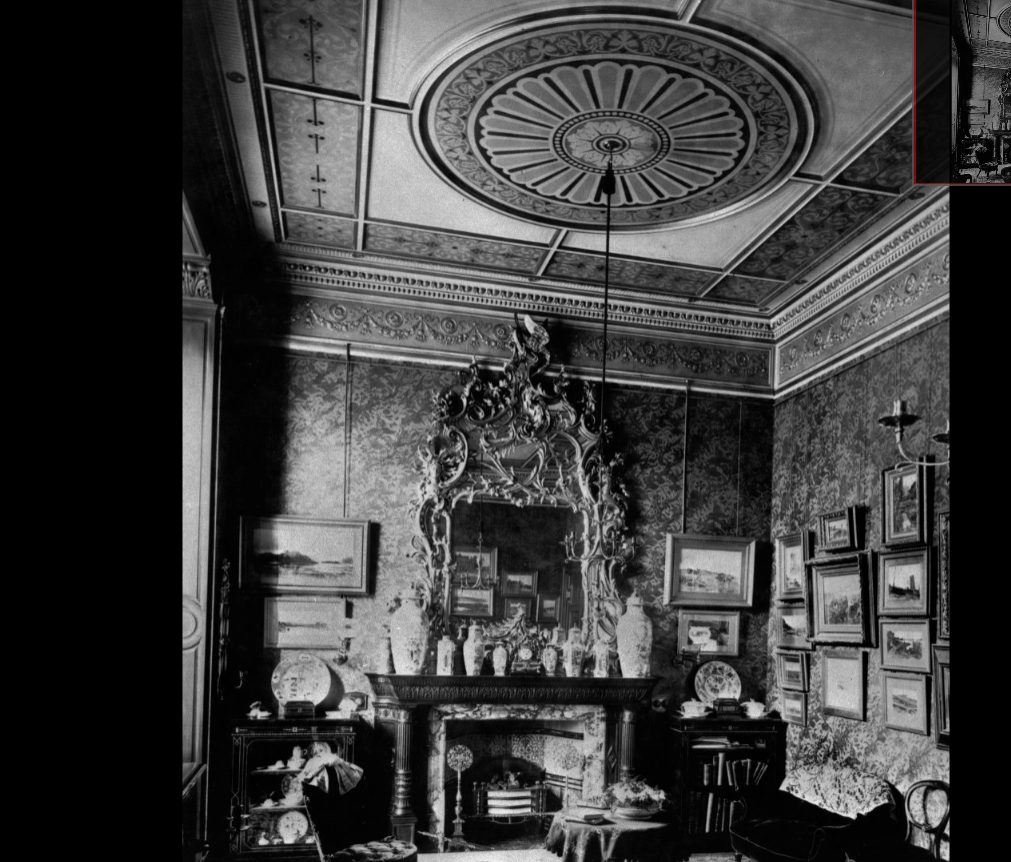
The Breakfast Room, with its intricate hand-carved woodwork, is on the ground floor and features a terrace overlooking Dean Village. Up one flight is the Library, designed to emulate that of Abbotsford House, home of Sir Walter Scott whom Mr. Findlay admired. The morning room next to it, now the Rothesay Room, provided a light and airy entertaining space for social visits. At the back of the property, the grand drawing room, now known as the Findlay Room, runs the width of the building, with an impressive view over the Dean Village and the Firth of Forth. The ceiling in the Rothesay Room is painted with a fresco featuring the signs of the zodiac, while the stained glass in the windows features the initials of Sir John and Susan.

Upon Findlay’s death, his eldest son, Sir John Ritchie Findlay, 1st Baronet, inherited the property. Sir John lived here with his wife, Harriet Jane, and their five children until his death in 1930. Lady Harriet then donated it to the Edinburgh College of Domestic Science, which, in 1972, became Queen Margaret College, later a University. The building was used to provide residential accommodation for young ladies who were attending the school. During this period, the building experienced several significant changes. The upper rooms on floors 2 through 4 were divided and subdivided to form bedrooms for the girls, with a kitchen and other working spaces on the lower levels. In the reception atrium, the area to the left as you enter the building was separated off by wooden partitions, forming a bedroom for the matron—conveniently placed next to the front door, so that she could ‘keep an eye’ on her charges.

During the 1960s, the College had a rather formidable bursar called Alice Melvin, who was remembered in the name ‘Melvin House’ later given to the building. In 1970, the College moved to a new campus at Clermiston, and Number 3 Rothesay Terrace passed into the hands of the National Health Service, which used the property as a management training centre. In 1996, John Milton, a hotelier, bought the property from the NHS and carried out an extensive series of renovations, restoring the building to near its original condition. The building has been a hotel since that time.

In early 2026, the owners of the Bonham Hotel, a few doors along at Drumsheugh Gardens, were delighted with the opportunity to acquire the property. A sympathetic renovation is planned for late 2026 and early 2027 to create luxury boutique townhouse accommodation that respects the original historical and architecturally significant Late Victorian features, while recognising the significant contribution of the Findlay families, whose vision and influence can still be experienced throughout the building and across the City of Edinburgh.

Contact

Send us a message

B+B Edinburgh
Our details
B+B Edinburgh
+44 (0) 131 225 5084 reservations@bb-edinburgh.com
B+B Edinburgh
3 Rothesay Terrace
Edinburgh
EH3 7RY

Follow Us

We’re on , & , say hello!

You currently have JavaScript disabled. This site requires JavaScript to be enabled. Some functions of the site may not be usable or the site may not look correct until you enable JavaScript. You can enable JavaScript by following this tutorial. Once JavaScript is enabled, this message will be removed.